
Best Mobile Gaming Tips for Beginners to Improve Their Gameplay
- Mobile Gaming
- admin
- Aug 21, 2026
- 5616
Mobile gaming has become a popular way to enjoy entertainment anywhere, whether you are playing casually or competing against other players. However, beginners often struggle with controls, settings, strategies, and decision-making. Learning the right techniques can make gaming easier and help you improve consistently.
Choose the Right Game for Your Playing Style
The first step toward improving at mobile gaming is choosing a game that matches your interests. Try different genres, including action, strategy, racing, sports, and role-playing games.
Every game requires different skills, so understanding your preferred style can make learning easier. If you enjoy quick decisions and constant action, competitive games may suit you better.
Beginners should avoid switching between too many games while trying to improve. Focusing on one primary game gives you enough time to understand its mechanics, maps, characters, and objectives.
Once you find a game you genuinely enjoy, spend time learning its basic systems before worrying about advanced techniques. Enjoyment makes regular practice easier and more rewarding.
Learn and Customize Your Controls
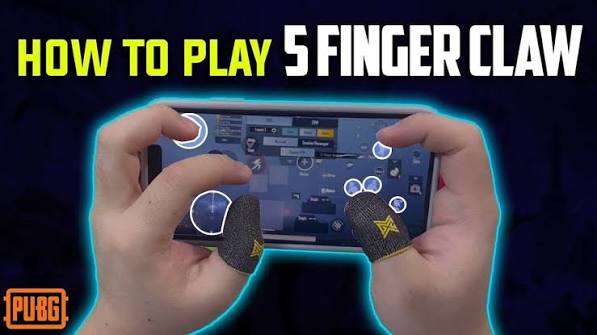
Controls have a major effect on mobile gaming performance because touchscreen devices require accurate movements. Spend time learning where important buttons are located before entering competitive matches.
Most mobile games allow players to customize button positions, sizes, sensitivity, and other control options. Adjust these settings until your fingers can comfortably reach frequently used controls.
Avoid copying another player`s settings immediately because everyone`s device, hand position, and playing style are different. Experiment with different layouts and keep the arrangement that feels natural.
Practice moving, aiming, attacking, jumping, or performing other important actions repeatedly. Comfortable controls reduce hesitation and allow you to concentrate more effectively on strategy during matches.
Adjust Graphics and Performance Settings
Performance problems can make even a skilled player struggle. If your phone experiences frame drops, overheating, or delayed responses, check the game`s graphics and performance settings.
Beginners often choose the highest graphical quality because it looks attractive. However, smooth performance can be more valuable during competitive gameplay, especially when quick reactions and precise movements are necessary.
Reduce demanding settings if your device cannot maintain stable performance. Lower shadows, effects, resolution, or other advanced options when necessary to improve responsiveness and reduce interruptions.
Also close unnecessary applications before playing demanding games. Keeping sufficient storage space and updating your device can help maintain smoother gameplay and prevent avoidable performance problems.
Practice the Basics Before Advanced Strategies
Strong fundamentals are more important than complicated strategies when you are starting. Learn movement, aiming, positioning, resource management, character abilities, and basic objectives before attempting advanced techniques.
Many beginners lose matches because they focus heavily on winning instead of understanding how the game works. Use early matches as opportunities to identify mistakes and learn important mechanics.
Practice specific skills separately whenever possible. For example, spend time improving your aim or movement rather than trying to master every mechanic during one session.
Consistent short practice sessions can be more useful than occasional long sessions. Regular practice helps develop muscle memory, allowing important actions to become faster and more automatic.
Understand Maps, Characters, and Game Mechanics
Knowledge can provide a significant advantage even when your mechanical skills are still developing. Learn important map locations, objectives, pathways, resources, and common areas where opponents appear.
If your game includes different characters, weapons, vehicles, or abilities, understand their strengths and weaknesses. Knowing what each option does helps you make better decisions during matches.
Pay attention to experienced players and observe how they move around the map. Watching gameplay can reveal useful positioning ideas that may not be obvious when learning alone.
Game mechanics can also change through updates, so remain aware of major changes. New characters, maps, weapons, or balance adjustments can require players to change their strategies.
Improve Your Decision-Making
Good decision-making separates beginners from more experienced players. Instead of reacting randomly, consider your position, available resources, opponent behavior, and current objective before making important moves.
Avoid unnecessary fights when your position is weak or resources are limited. Sometimes retreating, repositioning, or waiting for a better opportunity is more effective than immediately attacking.
Learn to recognize repeated patterns in your opponents. If another player frequently follows the same route or uses a particular strategy, you can prepare for their actions.
Try to think several steps ahead during matches. Ask yourself what could happen after your next move, then choose the option that provides the safest or strongest advantage.
Learn From Your Mistakes
Losing a match does not necessarily mean you are a bad player. Every mistake provides useful information that can help you understand which areas require additional practice.
After an important match, think about what went wrong. Consider whether poor positioning, unnecessary attacks, slow reactions, weak resource management, or incorrect decisions affected the result.
Avoid blaming teammates, opponents, internet connections, or random events for every loss. Although these factors sometimes matter, focusing on controllable mistakes provides more opportunities for personal improvement.
Experienced players also make mistakes, but they learn how to identify and correct them. Developing this mindset can help beginners improve faster without becoming frustrated by temporary losses.
Improve Your Internet Connection
A stable internet connection is extremely important for many online mobile games. High ping, packet loss, and connection interruptions can cause delayed actions and make matches difficult.
Whenever possible, play using a reliable Wi-Fi connection or a stable mobile network. Avoid gaming in locations where the signal frequently becomes weak or unstable.
Other devices using the same connection can sometimes affect performance, particularly when downloading large files or streaming high-quality videos. Reducing unnecessary network activity may improve stability.
Remember that internet speed and latency are different factors. A fast connection can still have high latency, so consistency and responsiveness are particularly important for competitive gaming.
Use Headphones and Audio Cues
Sound can provide valuable information in many mobile games. Footsteps, vehicle sounds, weapon effects, ability noises, and other audio cues can help you understand what is happening nearby.
Using comfortable headphones can make important sounds easier to recognize, especially when playing in a noisy environment. Keep the volume at a comfortable level so you can play safely.
Do not focus exclusively on visual information. Experienced players often combine what they see with what they hear to identify potential threats before they become visible.
Learn the meaning of common sounds in your chosen game. Once you recognize specific audio cues, you can react faster and make more informed decisions.
Take Regular Breaks
Playing continuously for long periods can cause tiredness, reduced concentration, and slower reactions. Taking regular breaks can help you remain focused and make gaming sessions more enjoyable.
Avoid forcing yourself to continue playing after several frustrating losses. When concentration decreases, mistakes often become more frequent and learning becomes less effective.
A short break can give your eyes, hands, and mind time to recover. Stand up, stretch, drink water, and return when you feel comfortable and focused.
Healthy gaming habits are especially important for beginners because improvement requires patience. Balance gaming with sleep, physical activity, work, study, and other daily responsibilities.
Watch Experienced Players and Tutorials
Watching experienced players can help beginners understand strategies that may take much longer to discover independently. Look for gameplay videos that explain decisions rather than simply showing victories.
Pay attention to positioning, movement, equipment choices, timing, and reactions. Try to understand why an experienced player makes a particular decision instead of copying every action blindly.
Tutorial videos can also explain complicated mechanics in simple ways. Use reliable guides to learn controls, character abilities, maps, strategies, and other important aspects of your chosen game.
However, avoid watching content without practicing afterward. Apply one or two useful techniques during your next gaming session and gradually build your skills.
Play With Friends and Communicate
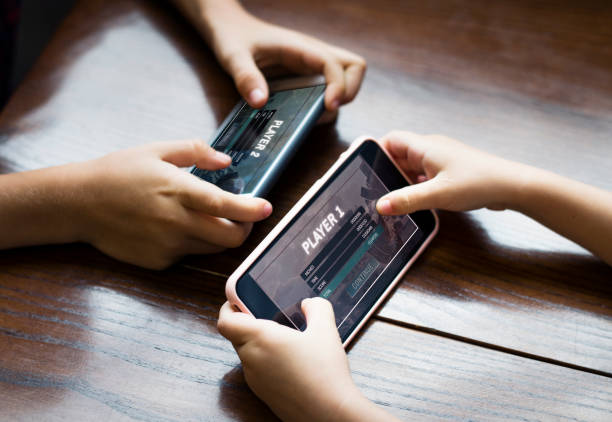
Playing with friends can make mobile gaming more enjoyable while also helping you develop teamwork skills. Communication becomes especially important in multiplayer games where coordinated decisions affect results.
Use simple and clear communication during matches. Share useful information about enemy positions, available resources, objectives, or potential threats instead of constantly talking.
Playing with more experienced friends can also provide practical learning opportunities. They may explain mistakes, recommend strategies, or demonstrate techniques that are difficult to understand through written guides.
Remember that teamwork requires patience. Avoid blaming teammates when something goes wrong, because negative communication can reduce concentration and make the entire team perform worse.
Stay Consistent and Patient
Improving at mobile gaming does not happen overnight. Beginners should expect mistakes, losses, and periods where progress seems slow. Consistency is more important than trying to become perfect immediately.
Set small goals for each gaming session instead of focusing only on winning. You might practice aiming, improve movement, learn a new map, or reduce unnecessary mistakes.
Track your progress over time and notice improvements that may not be obvious during individual matches. Small improvements can eventually create significant differences in overall performance.
Most importantly, remember that gaming should remain enjoyable. Practice regularly, learn from experienced players, maintain good habits, and stay patient while developing your skills. With time, your confidence and gameplay can improve naturally.
1 people like this


About Admin
This post has been published by the admin of our website, responsible for content management, quality checks, and providing valuable information to our users.